Where Real Money Meets the Reel: UK Casino Sites for Fishin' Frenzy
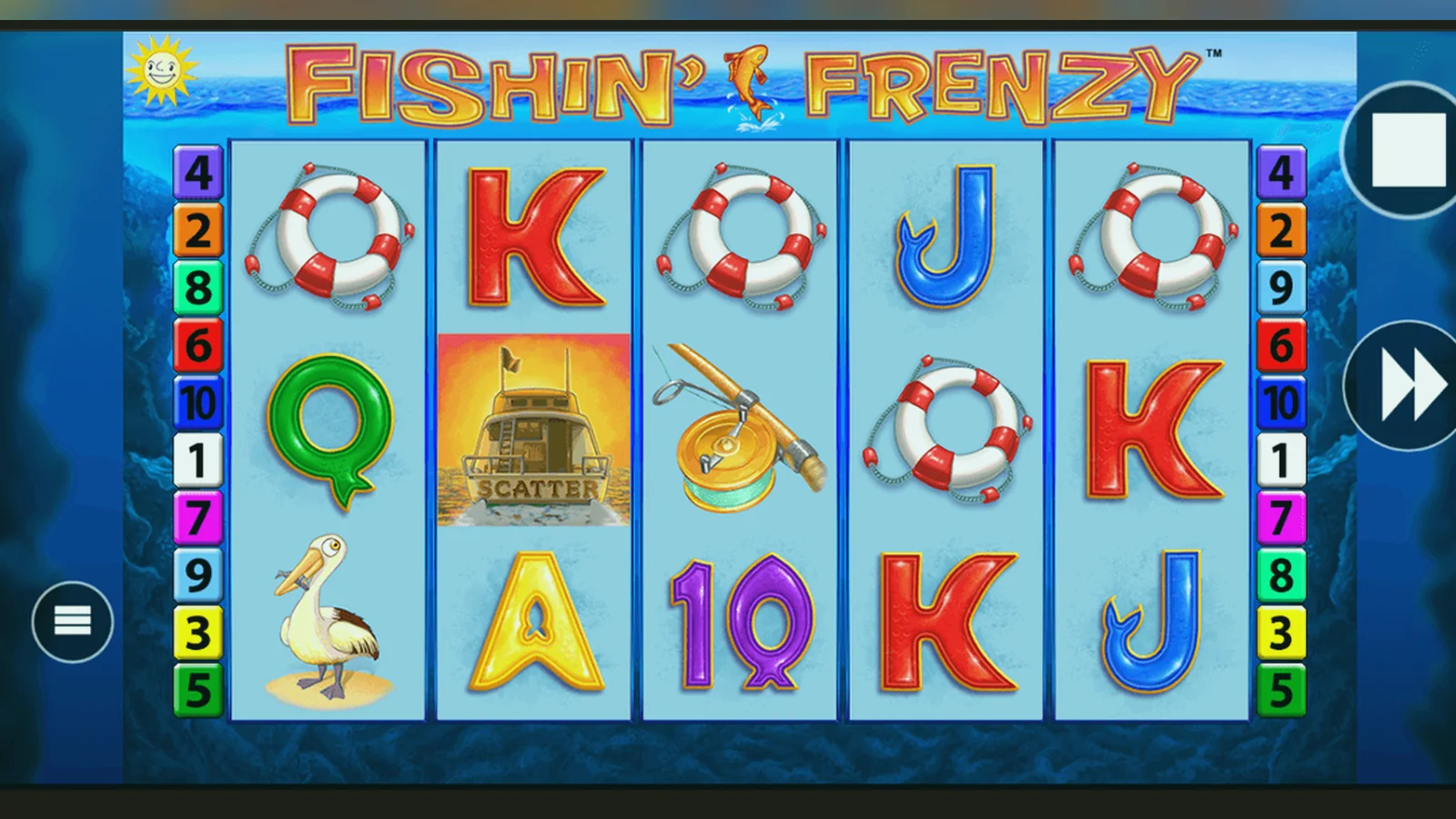
You've loaded the lobby, found Fishin' Frenzy, hit the demo button—and nothing happens. You check the small print: «Log in to play for free.» That's the first reminder you're on a UKGC-licensed site, and the rules have already changed before you've staked a penny.
Real-money play is legal here, but the regulator shapes every step: who can serve you, how much you can stake, when your bank statements get checked, and which payment methods you're allowed to use. This page unpacks what that means for Fishin' Frenzy specifically—where the game sits, what it costs to play it properly, and where your bankroll actually leaks.
Is It Legal, and What Does the Regulator Actually Do?
Online casino play is legal in the United Kingdom if the operator holds a remote licence from the UK Gambling Commission. No licence, no legal service—unlicensed sites can't advertise here, and banks are told to block payments to them.
The UKGC doesn't just rubber-stamp operators. The licence comes with rules that reshape the product: stake caps (£5.00 per spin for most players, £2.00 if you're 18–24), mandatory deposit limits you set yourself, and affordability checks that kick in from £150 net deposits a month. That last one uses credit-reference data at the first stage, so the operator sees your financial picture before you hit the withdrawal button.
For Fishin' Frenzy, this means two things. First, volatility meets a hard ceiling: even if you want to chase the free-spins feature with £10 bets, you can't—the software won't let you. Second, if you're depositing £200 a month to play it, you'll face questions about where the money comes from. The tax side is simpler: your winnings are tax-free, though operators pay 40% Remote Gaming Duty as of April 2026, which indirectly shapes bonus budgets and withdrawal speeds.
Four Sites That Carry the Game—and What They Actually Offer
These are market examples, not endorsements. Conditions change weekly, so verify everything on the site before you deposit.
| Operator | Why It's Here | Weak Point | |
|---|---|---|---|
| Buzz Bingo | Blueprint's catalogue is complete; deposit limits from £5.00; Faster Payments withdrawals same day after KYC | Affordability checks start early if you're playing daily; bonus wager 35× on slots | → |
| Grosvenor Casinos | Land-based heritage, so trust baseline is higher; PayPal and Apple Pay both fast; Blueprint originals in the lobby | Verification can take 48 hours on first withdrawal; app is iOS-only | → |
| Paddy Power | Large liquidity, so withdrawals clear quickly; GAMSTOP integration is seamless; demo play works logged out for age-verified accounts | Bonus contribution for Fishin' Frenzy is 10%, not 100%—read the terms | → |
| Betfair Casino | Open Banking deposits land instantly; stake history export for your own records; Blueprint slots usually launch here first | £2.00 stake cap applies to all players under 25, not just 18–24; customer service queues at weekends | → |
None of these is the «best» site—each trades off something. Buzz Bingo's deposit limits protect you but also stop you chasing losses when variance bites. Grosvenor's slow KYC is frustrating, but it's the same check that keeps unlicensed operators out. Paddy Power's bonus structure makes Fishin' Frenzy a poor choice for clearing wager, but the game still runs cleanly if you're playing with cash.
What to Check Before You Register
The regulator sets the floor, but operators still differ on friction points and where your money actually goes. Here's the practical checklist:
- UKGC licence number in the footer—cross-reference it in the public register and make sure the trading name matches.
- GAMSTOP logo somewhere on the site. If it's missing, the operator isn't plugged into the self-exclusion system, which is a red flag.
- Stake caps stated clearly in the cashier or game rules. £5.00 for over-25s, £2.00 for 18–24-year-olds. If the site doesn't mention this, assume it's not compliant.
- Deposit limits you can set yourself—daily, weekly, monthly. If there's no option, the operator's cutting corners.
- Affordability-check threshold disclosed. Most start at £150 net deposits per month; some go lower.
- Payment methods: debit cards, PayPal, Apple Pay, Trustly, paysafecard. Credit cards have been banned since 2020, so if a site accepts them, it's either a mistake or not UKGC-licensed.
- Withdrawal times with a real range: «1–3 working days» for debit cards is honest; «instant» usually isn't, especially on your first cashout.
- KYC process explained upfront. If the site says nothing about documents until you try to withdraw, expect delays.
- Blueprint Games in the provider list. If Fishin' Frenzy isn't there, the operator either doesn't stock Blueprint or pulls the game for commercial reasons.
Signing Up and Getting to the Game
The registration and verification process exists to prove you're over 18, that the money is yours, and that you're not using someone else's card. It's slower than an offshore casino, but it's also the reason your winnings don't vanish into a Curacao PO box.
- Registration: Name, address, date of birth, email, mobile. The operator runs an instant age check against the electoral roll or credit-reference database. If it fails, you'll need to upload ID before you can deposit.
- Deposit Limits: Set daily, weekly, and monthly caps. The software won't let you skip this—it's a UKGC requirement. Start conservative; you can raise them later, though increases take 24 hours to activate.
- First Deposit: Debit card, PayPal, or Open Banking. You'll see a 3D Secure check (the one-time code from your bank). Credit cards are blocked at the payment gateway, so don't try.
- KYC Holds: Some operators ask for documents before your first deposit; others wait until your first withdrawal. Passport or driving licence, plus a bank statement or utility bill dated within three months. Expect 24–48 hours for review.
- Finding Fishin' Frenzy: Search the lobby or filter by provider (Blueprint Gaming). If the game's not there, the operator either doesn't carry it or has pulled it temporarily—this happens when Blueprint renegotiates distribution. Live chat will confirm.
Demo play is available on most UKGC sites, but many restrict it to logged-in, age-verified accounts. If the demo button is greyed out, that's why. You don't need to deposit to unlock it, but you do need to prove you're 18.
Deposits, Withdrawals, and Where Time Evaporates
Payment speeds matter more than the operator's marketing suggests, because they determine how long your bankroll is locked and when you can actually use your winnings. Here's what happens in practice:
Faster Payments is the default withdrawal rail for bank transfers—same day to two working days is realistic. E-wallets like PayPal clear faster, but you still wait for the operator's internal approval, which adds a few hours. The first withdrawal is always the slowest because the compliance team checks your documents. Budget 48 hours, even if the site promises 24.
Affordability checks are the hidden delay. If your net deposits cross £150 in a month, the operator pulls your credit-reference data. If that raises flags (high credit utilisation, county court judgements, undisclosed gambling elsewhere), they'll ask for payslips or bank statements. This can hold your withdrawal for a week, and there's no appeals process—it's comply or forfeit.
What Actually Changes for This Game
Fishin' Frenzy is a low-to-medium volatility slot with a 96.12% RTP and a £0.10–£10.00 bet range in the base version. On a UKGC site, three things shift:
Stake Caps: The maximum bet is £5.00 per spin if you're 25 or older, £2.00 if you're 18–24. Blueprint's software enforces this at the game level, so you can't override it even if the operator wanted to let you. For Fishin' Frenzy, £5.00 is already at the high end of the intended range, so the cap doesn't bite as hard as it would on a high-volatility game where players normally bet £20–£50 per spin.
Bonus Contribution: Most welcome bonuses carry a 35×–50× wager requirement, and slots contribute 100%—except when they don't. Some operators (Paddy Power is one example) list Fishin' Frenzy at 10% contribution, meaning a £10 spin only clears £1.00 of wager. Check the bonus terms before you accept; playing with cash avoids this entirely.
Availability: Blueprint occasionally pulls games from certain operators during contract negotiations or when a market-wide promotion conflicts with their own schedule. If Fishin' Frenzy disappears from a lobby you've used before, that's usually why. It comes back, but there's no public timeline.
Where the Bankroll Actually Leaks
The regulator's rules protect you from some risks, but they don't eliminate the house edge or the temptation to chase. Here's where money goes, in order of severity:
- Bonus wager: 35× on a £20 bonus means £700 of turnover before you can withdraw. Fishin' Frenzy's low volatility makes this grindable, but the time cost is real—expect 1,000–1,500 spins.
- Variance: The free-spins feature triggers roughly 1 in 100–150 spins. If you're playing £1.00 bets, that's £100–£150 to see it once. Stake caps mean you can't accelerate this by betting higher.
- Deposit friction: Affordability checks and credit-reference pulls don't cost money directly, but they force you to stop depositing when you hit the threshold. If you're mid-session and chasing losses, this is useful; if you're playing within your means, it's annoying.
- KYC delays: Your first withdrawal takes 24–48 hours because the operator checks your documents. If you cancel the withdrawal and play the balance, that's where the leak happens—not in the rules, but in the wait.
The stake caps and deposit limits are paternalistic, but they work: you can't lose £500 in ten minutes on Fishin' Frenzy because the software won't let you bet £50 per spin. The trade-off is that you also can't chase a feature with higher stakes when you think it's due, which is irrational but human.
If you're over the game and want to self-exclude, register with GAMSTOP. One sign-up blocks every UKGC-licensed site for six months to five years. It's not reversible, which is the point. For help with problem gambling, BeGambleAware runs a free helpline and webchat.
FAQ
Can I play Fishin' Frenzy legally in the UK?
Yes, on any site with a UKGC remote licence. Check the licence number in the footer and cross-reference it in the Commission's public register. Unlicensed sites are illegal to market here, and your bank may block payments to them.
What's the maximum bet I can place on Fishin' Frenzy?
£5.00 per spin if you're 25 or older, £2.00 if you're 18–24. Blueprint's software enforces this at the game level, so the cap applies across all UKGC-licensed sites.
How long does the first withdrawal take, and why is it slower than deposits?
Expect 24–48 hours for the operator to verify your ID and address documents, then 1–3 working days for the payment to clear (debit card or Faster Payments). E-wallets like PayPal are faster once you're verified—12–24 hours total. The delay exists because the operator must prove the account and payment method are yours.
What happens if I deposit £150 in a month?
The operator runs an affordability check using credit-reference data. If your financial profile looks fine, nothing changes. If it raises flags (high debt, gambling elsewhere, low income), they'll ask for payslips or bank statements. This can hold your withdrawal until you provide them.
Why does Fishin' Frenzy contribute only 10% to my bonus wager on some sites?
Some operators reduce the contribution rate for popular or low-volatility slots to protect their bonus budget. A £10 spin clears only £1.00 of wager in that case. Check the bonus terms before you accept; playing with cash avoids the restriction entirely.
Can I use a credit card to deposit?
No. Credit cards have been banned for gambling in the UK since April 2020. The payment gateway blocks them automatically. Use a debit card, PayPal, Apple Pay, Open Banking, or paysafecard instead. The account or card must be in your own name.